Enter a brief description of your changes
(Required)
Minor changes are by default collapsed in the page history.
No changes
The page does not exist yet.
Failed to load changes
Version by on
Leave Collaboration
Are you sure you want to leave the realtime collaboration and continue editing alone? The changes you save while editing alone will lead to merge conflicts with the changes auto-saved by the realtime editing session.
Last modified by Victor Zhang on 04:26, 22/07/2020
Shame on me wasting time on youtube again, it's me browsing through random videos and saw this
The human vision very much could be hacked like AI
However the given example, my hunch is that the picture is altered more than the computer AI Adversarial Attack example ( could totally be wrong about it, as I did not do objective verifiable calculation )
Based on my preception the picture (again totaly could be wrong), the noise they use changed several contour feature of the "cat" original picture, but that's only one example, probably will need to see the dataset compared to AI test.
So the main takeaway of the study was not to fool human, it's the indication from time-limited human vs no time-limit human(robust) to infer there's potential for AI to be more robust.
Previous example for AI to be known vulnerable to adversarial attack is cited by Ref 13 also on same web site: EXPLAINING AND HARNESSING ADVERSARIAL EXAMPLES , "A demonstration of fast adversarial example generation applied to GoogLeNet (Szegedy et al., 2014a) on ImageNet", which shows the attack on panda image being wrongly recognized gibbon. However, I would argue this is only possible when they have control to finely rewrite input cache as 255*0.007 = 1.7 85, I doubt such grain could be picked up by real camera and even if so, would easily drown by noise of the sensor that even it accidently formed severl frames out of hundreds, in real application, the system could use statitstical method to make output more robust (Also I could be wrong), or the subtlety of modification is exaggerated.
However it never the less points out the flaw of the algorithm so that it could be improved upon.
There had been attempts to fool face recognition technology
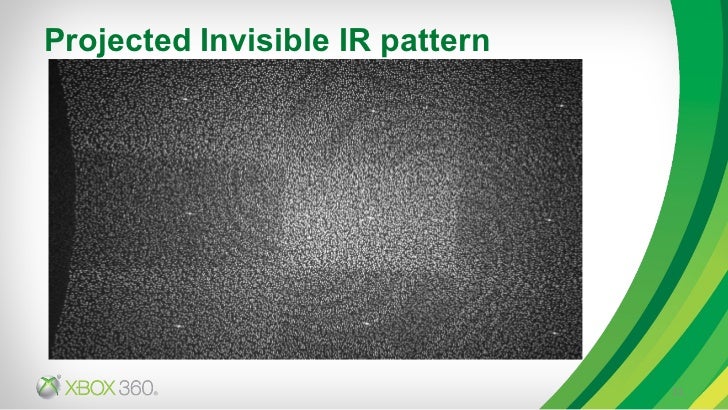
They are obvious, can only disable thre recognition, is it possible to project IR noise onto face to be recognized as someone else? Like kinect's noise projection: kinect projected ir pattern, project calculated adversarial attack


 About
About Game Servers
 Blogs
Blogs Past works
 Toy Train
 My Tests
 Useful Resources
 Digital Asset
 Knowledge Base